
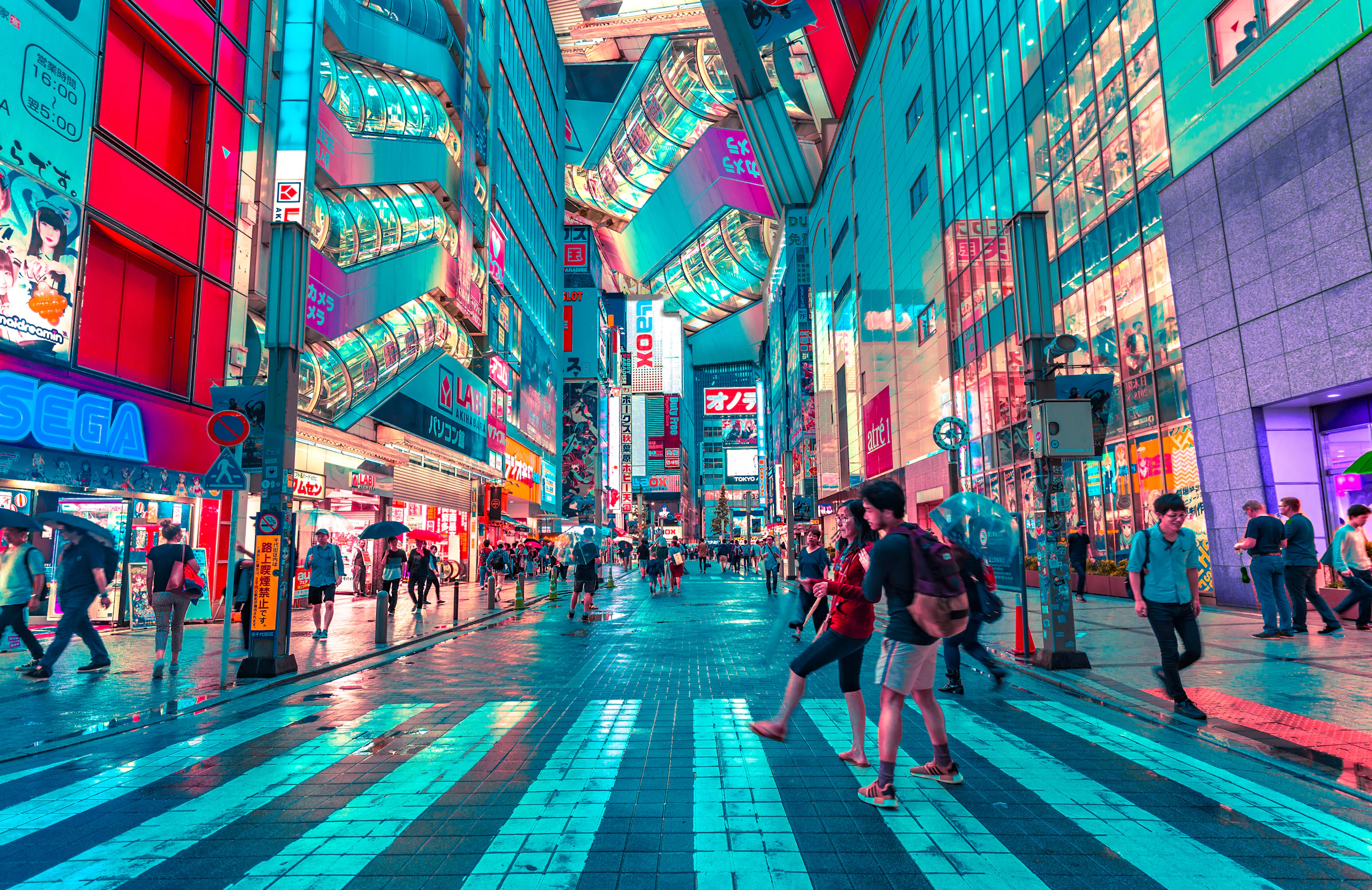
Prices, money and useful tips
Tokyo has a reputation for being expensive, but you can keep costs under control if you know where to look. These tips help you enjoy the city without overspending.
🍽️ Eating Well on a Budget
Food is one of the easiest areas to save money. Locals eat very well without spending a lot.

1. Convenience Stores (Konbini): 7‑Eleven, FamilyMart, Lawson
Convenience stores are open 24 hours and offer much more than basic snacks.
- Onigiri (rice balls): Great for breakfast or a quick snack. Usually around 130–200 ¥, with fillings like tuna, salmon or pickled plum.
- Sandwiches: Egg sandwiches (tamago sando) are a classic; katsu sando (breaded pork cutlet) makes for a filling meal.
- Hot food: Items like fried chicken, steamed buns and croquettes are often very good value.
2. Japanese "Fast Food" Chains
Fast, tasty and affordable – for roughly 500–800 ¥ you can get a satisfying meal.
- Gyūdon (beef bowls): Chains such as Sukiya, Yoshinoya and Matsuya serve rice bowls with beef and miso soup.
- Udon noodles: Marugame Seimen or Hanamaru Udon offer self‑service udon; a basic bowl with tempura can be around 600 ¥.
- Conveyor‑belt sushi (kaiten‑zushi): Chains like Sushirō, Kura Sushi or Uobei offer plates starting from roughly 120–150 ¥. A good meal often costs around 1,500–2,000 ¥.
🤩 Free or Low‑Cost Activities
Do not rush to buy expensive observation deck tickets. Start with some excellent free viewpoints.
- Tokyo Metropolitan Government Building (Tochō): Free observatories in Shinjuku at about 200 metres high, with wide views of the city and, on clear days, Mount Fuji in the distance.
Free vs paid viewpoints:
Tochō (free): Great daytime views over Shinjuku, though reflections on the glass can affect photos and opening hours are limited in the evening.
Shibuya Sky / Tokyo Tower (paid): Offer open‑air platforms or 360‑degree views with impressive night scenery, but tickets are typically around 2,000–3,000 ¥. Many travellers start with the free option and then decide if a paid deck is worthwhile for sunset or night views.
🛒 Smart Shopping: Souvenirs and Everyday Items
1. 100‑Yen Shops (Daiso, Seria, Can‑Do)
These stores sell most items for around 100 ¥ plus tax (about 110 ¥ in total).
- Good for chopsticks, tea cups, snacks, stationery, small organisers and many unique souvenirs.
2. Make Use of Tax‑Free Shopping
If you are not a resident of Japan, you may be able to shop tax‑free in many larger stores.
- Look for "Tax‑Free" signs at the entrance.
- A minimum spend of around 5,000 ¥ in one shop on the same day is usually required.
- Always carry your passport to complete the process.
- Popular tax‑free stores include Uniqlo, Bic Camera, Don Quijote and major department stores.
3. Don Quijote (Donki)
A multi‑floor discount store chain selling everything from snacks and cosmetics to gadgets and souvenirs, often at good prices. It can be crowded and busy, but it is a convenient one‑stop shop.
🚫 Hidden Costs and Common Extras
1. Otōshi in Izakaya
In many izakaya (Japanese pubs), a small appetiser is served automatically when you sit down.
- This is called otōshi and acts as a seating or cover charge, typically 300–500 ¥.
- It is a standard part of the bill rather than a scam, but it is useful to be aware of it when planning costs.
2. Themed Café Charges
Maid cafés, animal cafés and other themed venues usually have special pricing structures.
- Many charge an entry or time‑based fee (for example, a fixed amount for 30–60 minutes) in addition to drinks or food.
- Check the pricing at the entrance so you know the total before you sit down.
AI planner
Ready to plan your trip to Tokio?
Generate your custom itinerary in minutes.